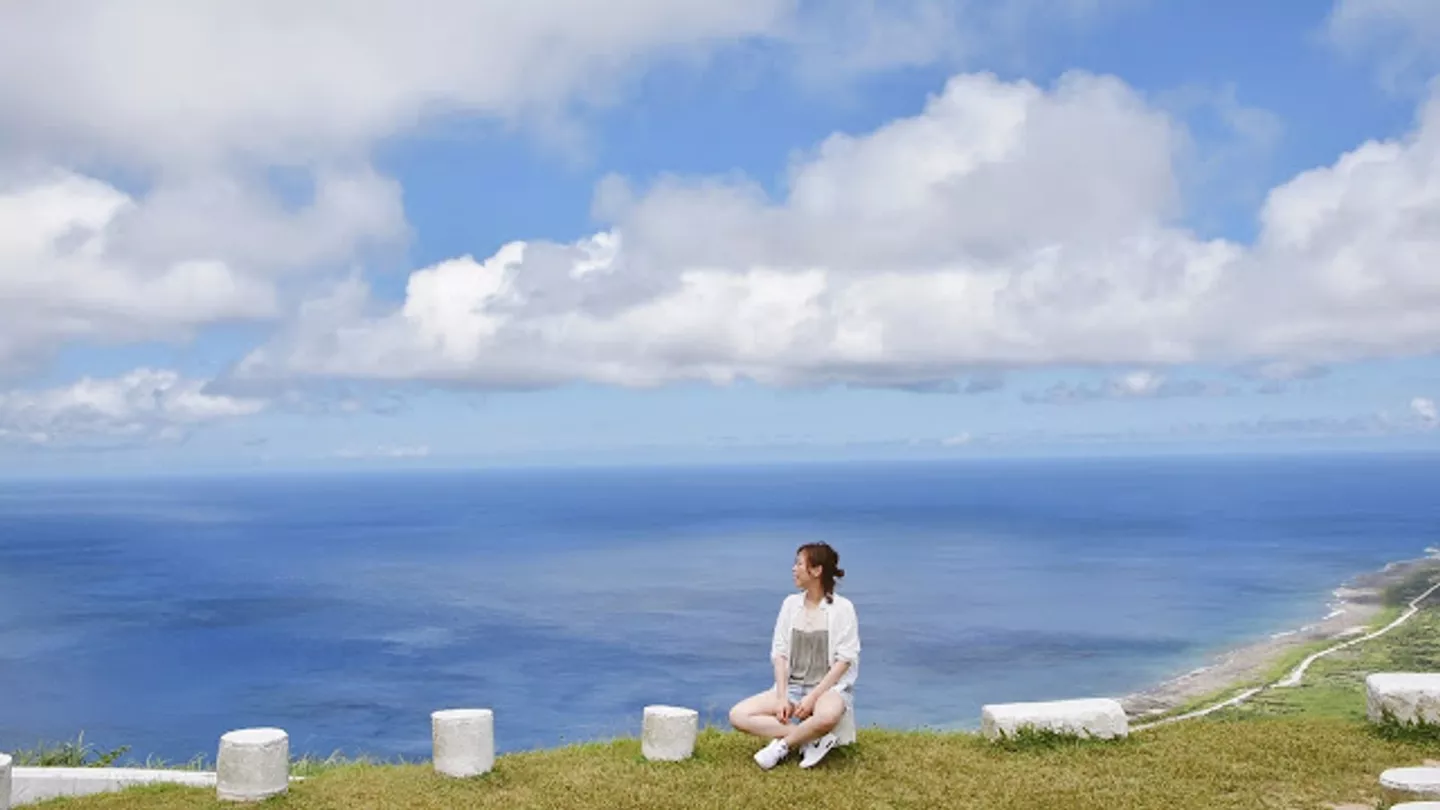
⏰CJ夫人專屬訂購優惠 訂房優惠| booking特別優惠 | agoda今日優惠|日本樂天旅遊限時優惠 機票優惠| Trip.com獨家優惠 |
Discover Japan beyond Tokyo and Kyoto. Explore Japanese culture, nature, regional destinations, and 10, 14, or 21-day itineraries for your first trip.
專題大綱
- 01|Why Visit Japan?
- 02|What Makes Japan Unique?
- 03|How to Explore Japan More Deeply
- 04|Seven Essential Experiences That Make Japan Worth Exploring
- 05|How to Plan Your First Trip to Japan: 10, 14, or 21 Days?
- 06|Explore Japan by Region: 20 Travel Routes for First-Time Visitors
- Tokyo & Kanto|5 Classic Travel Routes
- Osaka, Kyoto & Kansai|5 Classic Travel Routes
- Hokkaido|3 Nature & Snow Country Routes
- Kyushu|2 Volcano, Hot Spring & Regional Culture Routes
- Tohoku|2 Seasonal Nature & Cultural Heritage Routes
- Seto Inland Sea|2 Art, Island & Local Life Routes
- Okinawa|1 Island & Ryukyuan Culture Route
01|Why Visit Japan?
You may already feel like you know Japan. From anime and video games to sushi, ramen, Tokyo’s bustling streets, Kyoto’s temples, and Mount Fuji, Japanese culture has probably been part of your life long before your first visit.
But there’s much more to discover beyond these familiar images.
As a traveler from Taiwan who has visited Japan over 50 times and spent more than 500 days exploring the country, I’d like to share why Japan is worth traveling halfway around the world for—and how to experience its landscapes, traditions, regional cultures, and everyday life beyond the famous landmarks.
02|What Makes Japan Unique?
One of Japan’s most fascinating qualities is how ancient traditions and modern life naturally coexist. Centuries-old shrines stand beside futuristic skyscrapers, while high-speed trains connect bustling cities with historic towns, mountain hot springs, and traditional communities.
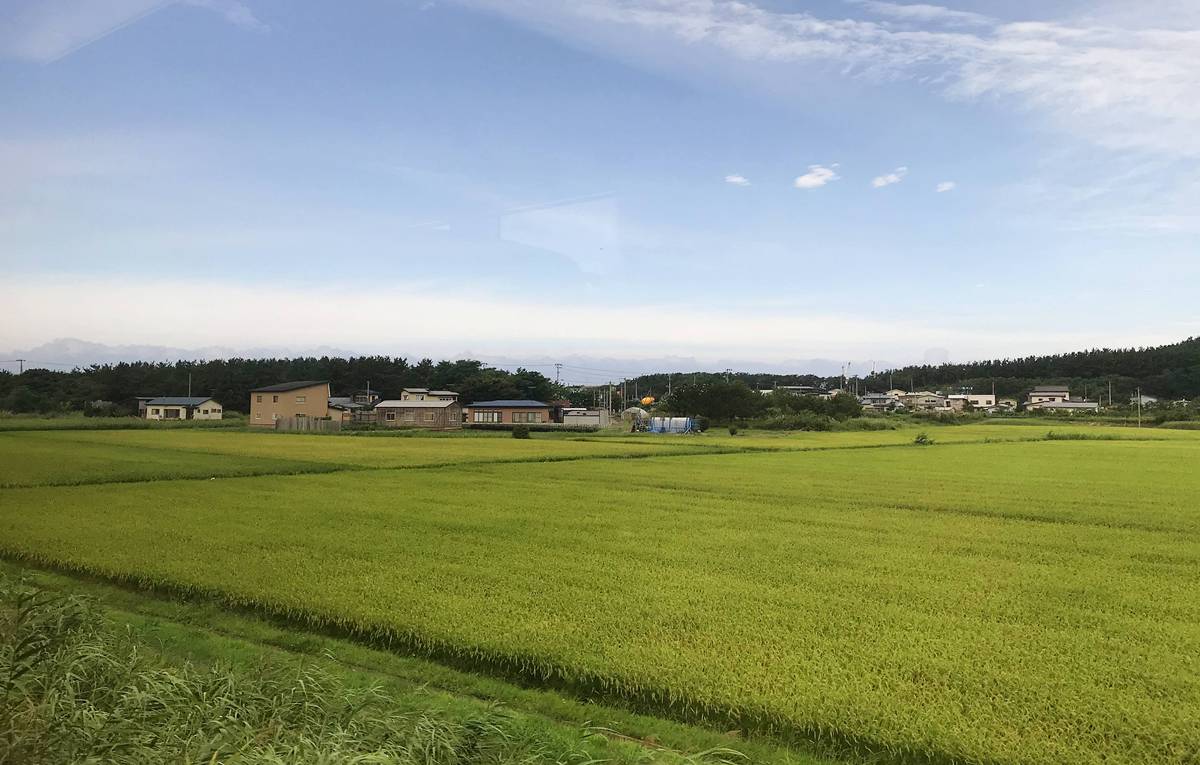
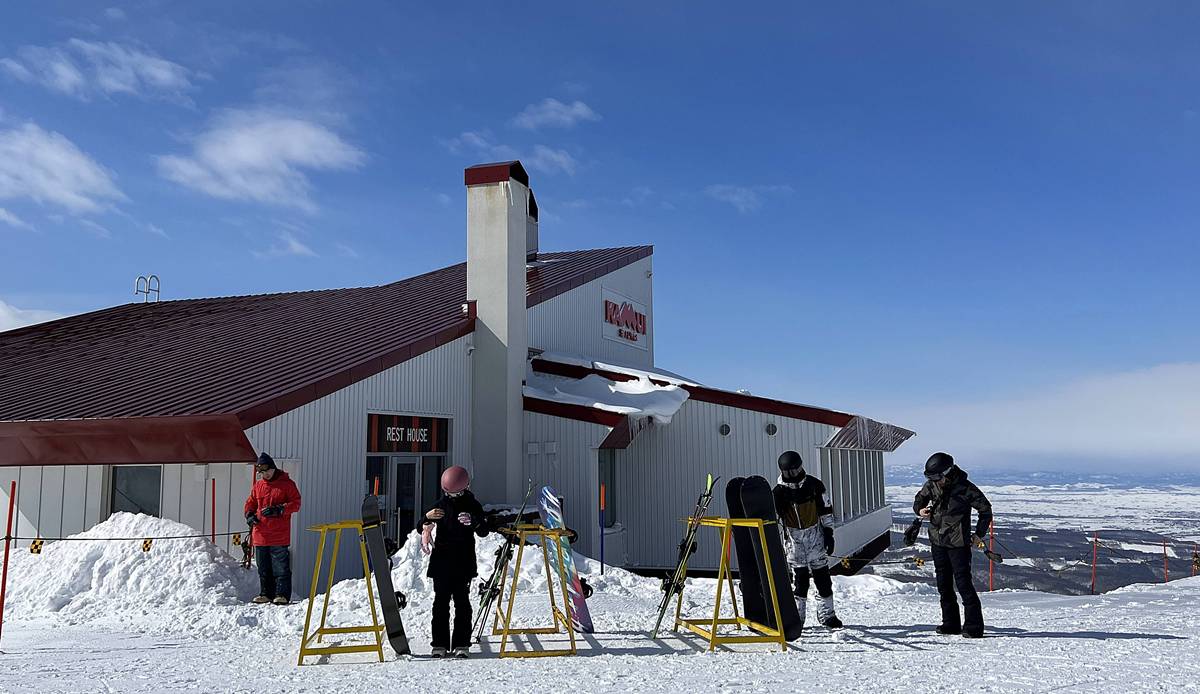
Japan’s changing seasons also shape everyday life. Spring brings cherry blossom picnics, summer fills the streets with festivals, autumn transforms forests and seasonal cuisine, and winter reveals the distinctive rhythms of Japan’s snow-covered regions.
What makes Japan truly special is that these traditions aren’t simply preserved for tourists. They’re woven into everyday life, from neighborhood markets and family-run cafés to local shrines and seasonal celebrations.
03|How to Explore Japan More Deeply
A memorable trip to Japan isn’t about visiting as many places as possible. It’s about experiencing different sides of the country while leaving enough time to enjoy each destination.
Balance Cities, Nature & Culture
Combine major cities with historic towns, natural landscapes, and regional experiences. Even a short trip can reveal several different sides of Japan.
Experience Both Old & New Japan
Alternate between modern neighborhoods, traditional temples, local communities, and cultural experiences to appreciate how different generations of Japanese life coexist.
Travel with the Seasons
Cherry blossoms, summer festivals, autumn foliage, and winter landscapes can transform your experience. Allow time for local food, neighborhood walks, and unexpected discoveries.
Plan Your Route by Region
Use Japan’s extensive rail network to connect major destinations, and consider regional trains, buses, or rental cars for places beyond the main routes. Avoid unnecessary backtracking and frequent hotel changes.
04|Seven Essential Experiences That Make Japan Worth Exploring
From natural wonders to human civilization, discover seven unique sides of Japan worth experiencing firsthand.
01|Landscapes, Seasons & Nature
From Mount Fuji and volcanic hot springs to Hokkaido’s snowy landscapes, Tohoku’s autumn foliage, and Kyushu’s mountain highlands, discover how Japan’s remarkable geography and changing seasons shape both its landscapes and everyday life.
02|Ancient Traditions & Living Heritage
From the temples and shrines of Kyoto and Nara to sacred mountains, traditional festivals, and historic neighborhoods, explore how Japan has embraced outside influences while preserving centuries-old traditions as part of modern life.
03|Modern Japan & Global Cultural Influence
From the Shinkansen and innovative urban design to anime, manga, video games, technology, and creative industries, discover how Japan continues to shape global culture through its innovations, ideas, and distinctive ways of life.
04|Japanese Aesthetics & Craftsmanship
From tea ceremonies, traditional gardens, and pottery to contemporary architecture and product design, experience how Japanese craftsmanship transforms natural materials, time-honored techniques, and attention to detail into an aesthetic admired around the world.
05|Japanese Food & Culinary Traditions
Beyond sushi and ramen, explore washoku, fermented foods, seasonal ingredients, and regional specialties. Discover how Japan’s natural environment, local traditions, and spirit of hospitality have shaped one of the world’s most influential food cultures.
06|Island Life & Regional Diversity
From the islands of the Seto Inland Sea to Hokkaido and Okinawa, discover how geography, maritime traditions, and regional histories have shaped different ways of life. Explore Japan’s cultural diversity, including the distinct heritage of the Ainu and Ryukyuan peoples.
07|Resilience, Adaptation & Everyday Life
From earthquake preparedness and traditional snow-country architecture to an aging population and rural revitalization, discover how Japanese communities respond to natural challenges and social change while continually adapting their ways of life.
05|How to Plan Your First Trip to Japan: 10, 14, or 21 Days?
Traveling to Japan from Europe or North America often involves a long-haul flight, so planning the right itinerary is essential.
Which Japan Itinerary Is Right for You?
| Duration | Travel focus | What you’ll discover |
|---|---|---|
| 10 Days — Discover | Classic Japan | Modern cities, ancient traditions, food, and aesthetics |
| 14 Days — Understand | Nature & History | Volcanic landscapes, hot springs, coastal scenery, and modern history |
| 21 Days — Connect | Regional Diversity | Mountain communities, local craftsmanship, island culture, and regional lifestyles |
06|Explore Japan by Region: 20 Travel Routes for First-Time Visitors
Japan offers far more than its famous cities. These 20 suggested travel routes introduce different sides of the country, from modern urban culture and ancient traditions to volcanic landscapes, regional cuisine, and island life. Rather than visiting as many attractions as possible, discover the destinations and experiences that best match your interests, travel style, and available time.
Tokyo & Kanto|5 Classic Travel Routes
01|Tokyo: Modern City & Cultural Discoveries
Tokyo City & Culture|Suggested: 4–5 Days
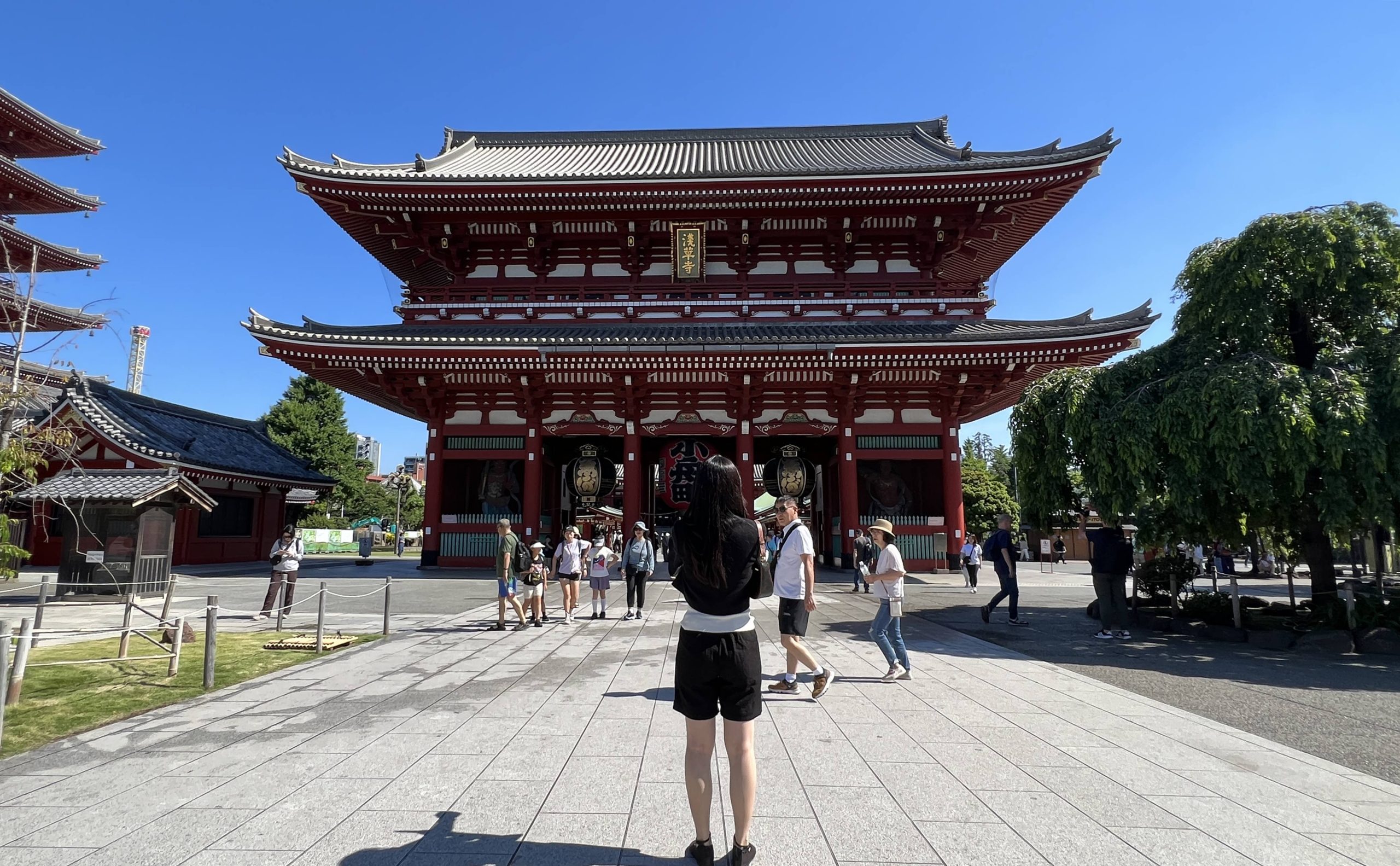
Explore Tokyo’s iconic landmarks, from Senso-ji Temple and Ueno Park to Tokyo Station, Ginza, Shibuya, and Shinjuku. Set aside another day to discover neighborhoods such as Omotesando, Daikanyama, Nakameguro, or Kiyosumi-Shirakawa, where contemporary architecture, independent cafés, and local shops reveal Tokyo’s everyday culture.
02|Mount Fuji & Lake Kawaguchi
Mt. Fuji & Lake Kawaguchi|Suggested: 2–3 Days
Travel from Tokyo to Lake Kawaguchi for beautiful views of Mount Fuji. Enjoy lakeside walks, take the Mount Fuji Panoramic Ropeway, and visit Oshino Hakkai or nearby villages. Staying overnight gives you more opportunities to admire the mountain in the early morning or evening, when visibility and light can be especially rewarding.
03|Hakone: Hot Springs & Volcanic Landscapes
Hakone & Japanese Onsen|Suggested: 2–3 Days
Discover Hakone’s volcanic scenery through mountain railways, ropeways, and a sightseeing cruise across Lake Ashi. Stay in a traditional ryokan to experience Japanese hospitality, seasonal cuisine, and natural hot springs. Hakone is an excellent introduction to Japan’s onsen culture.
04|Kamakura, Enoshima & the Shonan Coast
Kamakura & Shonan Coast|Suggested: 1–2 Days
Visit Kamakura’s historic shrines and temples, including Tsurugaoka Hachimangu, Hasedera, and the Great Buddha. Then ride the charming Enoden railway along the coast toward Enoshima. Spend the afternoon exploring seaside neighborhoods, relaxing at a coastal café, or watching the sunset over Sagami Bay.
05|Nikko: World Heritage & Mountain Nature
Nikko Heritage & Nature|Suggested: 2–3 Days
Travel north from Tokyo to explore Nikko’s UNESCO World Heritage shrines and temples, including the richly decorated Toshogu Shrine. Continue into Oku-Nikko to discover Lake Chuzenji, Kegon Falls, and the Senjogahara Marshland. This route combines Japanese religious heritage with spectacular mountain landscapes.
Osaka, Kyoto & Kansai|5 Classic Travel Routes
06|Osaka: Street Food & Urban Culture
Osaka Food & City Life|Suggested: 2–3 Days
Discover Osaka’s lively character through Osaka Castle, Dotonbori, Shinsaibashi, and Umeda. Sample local favorites such as takoyaki, okonomiyaki, and kushikatsu, then explore the city’s bustling shopping streets and nightlife. Osaka offers a distinctly different urban atmosphere from Tokyo.
07|Kyoto: Ancient Temples & Living Traditions
Kyoto Temples & Traditions|Suggested: 3–4 Days
Explore Kyoto’s celebrated cultural landmarks, including Kiyomizu-dera, Fushimi Inari Taisha, Kinkaku-ji, and Arashiyama. Beyond the famous temples, discover traditional gardens, tea ceremonies, Japanese sweets, and Kyoto-style cuisine. Early morning walks through historic neighborhoods offer a quieter introduction to the ancient capital.
08|Nara: Japan’s Ancient Capital
Nara Ancient Capital|Suggested: 1–2 Days
Explore the cultural heritage of one of Japan’s earliest capitals, from Nara Park and Todai-ji Temple to Kasuga Taisha Shrine and the traditional streets of Naramachi. Beyond the famous deer, discover monumental Buddhist architecture, historic townhouses, and ancient forests.
09|Kobe Harbor & Arima Hot Springs
Kobe Harbor & Arima Onsen|Suggested: 2 Days
Spend the day exploring Kobe’s waterfront, historic Kitano district, and stylish cafés. Enjoy regional specialties, including Kobe beef, before traveling to nearby Arima Onsen for an overnight hot spring stay. This route combines international port-city heritage, Western-influenced architecture, and traditional Japanese bathing culture.
10|Himeji Castle & Samurai-Era History
Himeji Castle & Japanese History|Suggested: 1–2 Days
Visit Himeji Castle, one of Japan’s finest surviving feudal castles and a UNESCO World Heritage Site. Explore its impressive defensive architecture and the neighboring Koko-en Garden. Extend your journey to Akashi or other towns in Hyogo Prefecture to discover more of the region’s history and local culture.
Hokkaido|3 Nature & Snow Country Routes
11|Sapporo & Otaru: Hokkaido City Life
Sapporo & Otaru|Suggested: 3–4 Days
Begin in Sapporo with Hokkaido specialties such as miso ramen, soup curry, fresh seafood, and dairy products. Take a short train journey to Otaru to explore its historic canal, preserved buildings, and charming harbor streets. Winter brings beautiful snowy scenery, while other seasons offer a different perspective on northern Japanese city life.
12|Furano & Biei: Countryside Landscapes
Furano & Biei|Suggested: 3–4 Days
Discover Hokkaido’s picturesque countryside, especially during summer when Furano’s flower fields and Biei’s rolling hills are at their most colorful. Visit the famous Blue Pond and explore scenic rural roads, farms, and forests. This route is ideal for landscape photography, countryside experiences, and relaxed travel.
13|Eastern Hokkaido: Lakes, Shiretoko & the Sea of Okhotsk
Eastern Hokkaido Wilderness|Suggested: 5–7 Days
Journey into eastern Hokkaido to discover Lake Akan, Lake Mashu, Lake Kussharo, and the Shiretoko Peninsula. Explore volcanic lakes, pristine forests, and wildlife habitats. Winter offers opportunities to experience drift ice and frozen landscapes, while summer and autumn are ideal for nature walks and outdoor adventures.
Kyushu|2 Volcano, Hot Spring & Regional Culture Routes
14|Fukuoka, Yufuin & Beppu Hot Springs
Fukuoka & Oita Onsen|Suggested: 4–5 Days
Begin in Fukuoka with Hakata ramen, traditional yatai food stalls, and lively shopping districts. Continue to Yufuin for mountain scenery and charming streets, or visit Beppu to discover geothermal landscapes and diverse hot spring experiences. This route combines Kyushu’s urban food culture with its famous onsen destinations.
15|Kumamoto, Mount Aso & Volcanic Landscapes
Kumamoto & Mount Aso|Suggested: 3–5 Days
Start at Kumamoto Castle before heading into the spectacular volcanic landscapes of Mount Aso. Discover vast grasslands, mountain scenery, and one of Japan’s most remarkable volcanic regions. Consider an overnight stay in Kurokawa Onsen to experience traditional hot spring hospitality surrounded by nature.
Tohoku|2 Seasonal Nature & Cultural Heritage Routes
16|Sendai, Matsushima & Yamagata Hot Springs
Sendai, Matsushima & Yamagata|Suggested: 4–5 Days
Use Sendai as your gateway to northeastern Japan. Try the city’s famous grilled beef tongue, explore the scenic islands of Matsushima Bay, and continue to Yamagata for mountain landscapes and hot springs. Winter brings snow-covered scenery and Zao’s famous snow monsters, while warmer seasons are ideal for forest walks, temples, and regional train journeys.
17|Morioka, Aomori & Northern Japan’s Traditions
Morioka & Aomori|Suggested: 5–6 Days
Begin in Morioka, known for its historic architecture, independent cafés, and three famous noodle traditions. Continue north by Shinkansen to Aomori, where you can discover the spectacular Nebuta Festival heritage, Oirase Gorge, Lake Towada, and the Hakkoda Mountains. This route highlights Tohoku’s distinctive festivals, landscapes, and regional identity.
Seto Inland Sea|2 Art, Island & Local Life Routes
18|Okayama, Kurashiki & Naoshima Art Island
Okayama, Kurashiki & Naoshima|Suggested: 3–4 Days
Explore Okayama’s celebrated Koraku-en Garden and the preserved merchant streets of Kurashiki before taking a ferry to Naoshima. Discover contemporary art museums, architectural landmarks, and installations set against the peaceful scenery of the Seto Inland Sea. This route brings together Japanese garden design, historic towns, and modern artistic expression.
19|Takamatsu, Shodoshima & Slow Island Travel
Takamatsu & Shodoshima|Suggested: 3–4 Days
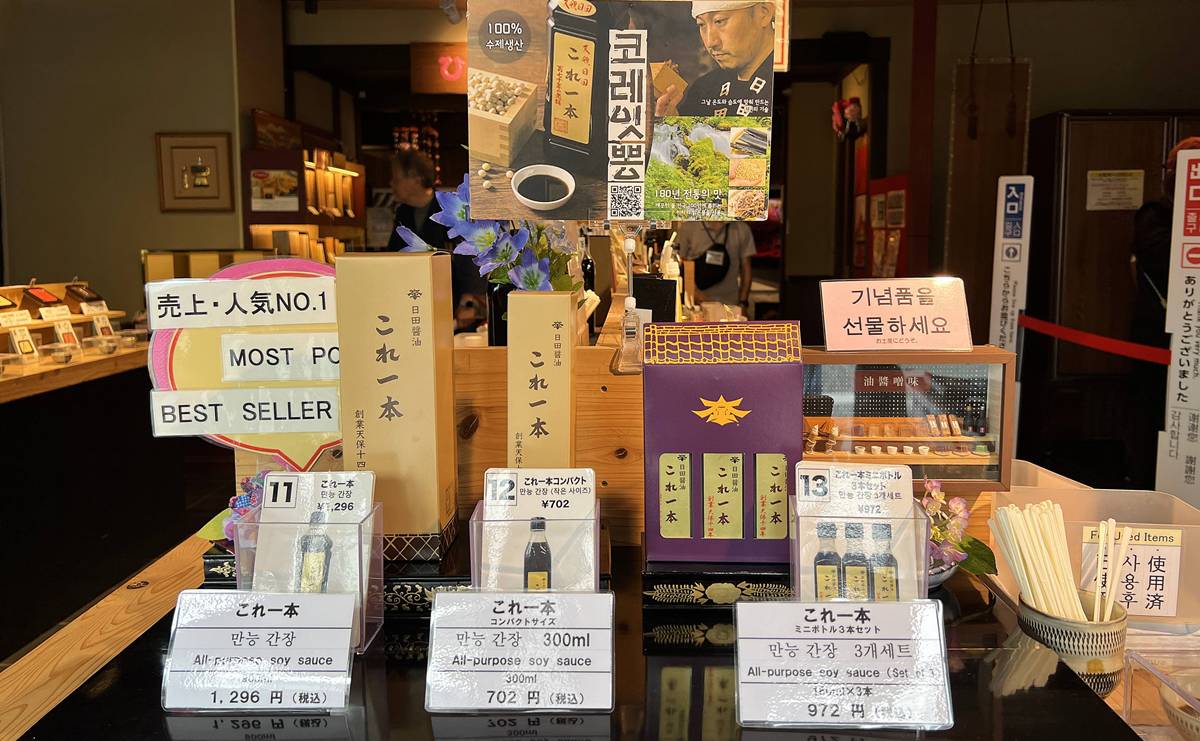
Begin in Takamatsu with a visit to Ritsurin Garden and a bowl of authentic Sanuki udon. Take a ferry to Shodoshima to explore olive groves, traditional soy sauce breweries, coastal scenery, and island villages. This route is ideal for travelers who enjoy regional food, maritime landscapes, and a slower pace of life.
Okinawa|1 Island & Ryukyuan Culture Route
20|Okinawa Island: Beaches & Ryukyuan Heritage
Okinawa Island & Ryukyu Culture|Suggested: 4–5 Days
Start in Naha, exploring Kokusai Street, Shuri Castle, and local markets to learn about the history of the Ryukyu Kingdom and Okinawa’s distinctive food culture. Continue north to discover beautiful coastlines, beaches, and subtropical landscapes. With its unique history, climate, and island traditions, Okinawa offers a remarkably different experience from mainland Japan.
⏰CJ夫人專屬訂購優惠 訂房優惠| booking特別優惠 | agoda今日優惠|日本樂天旅遊限時優惠 機票優惠| Trip.com獨家優惠 |